
I: Introduction
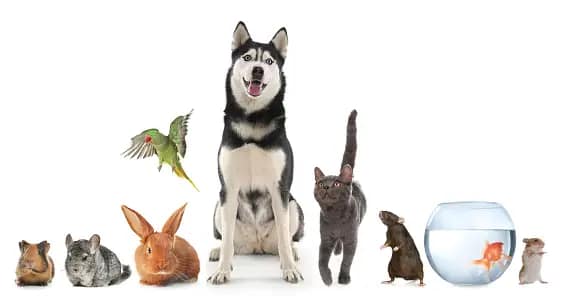
Socializing your bird with other pets can be a rewarding and enriching experience for both your feathered friend and the other animals in your household. However, it is important to approach this process with caution and care to ensure the safety and well-being of all pets involved. This ultimate guide will provide you with the necessary information and expert tips to successfully socialize your bird with other pets and create a harmonious environment in your home.
Bringing different species of animals together requires patience, understanding, and a gradual introduction process. It is essential to recognize that each pet has its own unique personality, behavior, and needs. By understanding your bird’s behavior and needs, you can better prepare for the socialization process and make informed decisions.
Before introducing your bird to other pets, it is crucial to prepare your home accordingly. This involves creating a safe and secure environment for all pets, ensuring that there are no hazards or potential sources of stress. Providing separate living spaces for each pet initially can help them adjust and feel comfortable before any interactions take place.
The guide will then delve into specific strategies for introducing your bird to dogs, cats, and other birds. Each introduction requires careful planning and gradual progress to minimize the risk of aggression or territorial behavior. Expert tips and techniques will be provided to help you navigate these introductions successfully.
Supervising interactions between your bird and other pets is of utmost importance. This ensures the safety of all animals involved and allows you to intervene if necessary. The guide will offer advice on how to prevent aggression, establish boundaries, and promote positive interactions.
Creating a harmonious environment for all pets to coexist is the ultimate goal of socializing your bird. This involves providing each pet with their own space, resources, and attention to avoid competition or conflicts. The guide will provide practical tips on how to achieve this balance and maintain a happy and well-socialized household.
In conclusion, socializing your bird with other pets can be a rewarding and fulfilling experience. By following the expert tips and techniques outlined in this ultimate guide, you can ensure a safe and successful introduction process, and create a harmonious environment where all pets can thrive together.
II: Why Socializing Your Bird with Other Pets is Important
Socializing your bird with other pets is important for creating a harmonious household. When birds are properly socialized with other animals, they can develop positive relationships and coexist peacefully. This is beneficial not only for the well-being of your pets but also for your own peace of mind.
One of the main reasons why socializing your bird with other pets is important is to prevent aggression or territorial behavior. Birds are naturally territorial creatures, and introducing them to other animals without proper socialization can lead to conflicts. By gradually introducing your bird to other pets and supervising their interactions, you can help them establish a sense of familiarity and reduce the likelihood of aggressive behavior.
Understanding your bird’s behavior and needs is crucial when socializing them with other pets. Birds have different personalities and temperaments, so it’s important to observe their body language and reactions to determine how they feel about the introduction process. Some birds may be more outgoing and accepting, while others may be more cautious or fearful. By understanding your bird’s behavior, you can tailor the socialization process to their specific needs.
Preparing your home for introducing your bird to other pets is another important step. This involves creating a safe and comfortable environment for all the animals. Make sure to provide separate spaces for each pet, especially during the initial stages of the introduction. This will allow them to become familiar with each other’s presence without feeling threatened or overwhelmed.
When introducing your bird to dogs, cats, or other birds, it’s important to do so gradually and under controlled circumstances. Start by allowing them to see and hear each other from a distance, and gradually decrease the distance over time. This will help them become accustomed to each other’s presence without feeling threatened.
Supervising interactions and preventing aggression is crucial during the socialization process. Always closely monitor your pets’ interactions and intervene if any signs of aggression or stress arise. Provide positive reinforcement and rewards for calm and friendly behavior to encourage positive associations.
Creating a harmonious environment for all pets involves providing each pet with their own space, resources, and attention. This will help prevent competition and reduce the likelihood of conflicts. Additionally, providing mental and physical stimulation for each pet will help keep them happy and content.
In conclusion, socializing your bird with other pets is important for creating a happy and well-socialized household. By understanding your bird’s behavior, preparing your home, and introducing them gradually and under controlled circumstances, you can foster positive interactions and prevent aggression. With patience and consistency, you can
III: Understanding Your Bird’s Behavior and Needs
When it comes to socializing your bird with other pets, it is crucial to have a deep understanding of your bird’s behavior and needs. Birds are highly intelligent creatures with unique personalities, and their socialization process can vary depending on their species and individual traits. By understanding your bird’s behavior and needs, you can better prepare for successful introductions and create a harmonious environment for all your pets.
Firstly, it is important to recognize that birds are flock animals by nature. They thrive in social settings and seek companionship. However, their socialization needs may differ from those of other pets. While dogs and cats may enjoy constant physical contact and play, birds may prefer more cautious and gradual interactions. It is essential to respect your bird’s boundaries and allow them to dictate the pace of their socialization.
Additionally, birds have specific communication methods that may differ from other pets. They use vocalizations, body language, and even feather displays to express their emotions and intentions. Understanding these signals can help you interpret your bird’s behavior and ensure a positive interaction with other pets. For example, if your bird fluffs up its feathers or lowers its head, it may be a sign of fear or discomfort. By recognizing these cues, you can intervene and prevent any potential conflicts.
Furthermore, each bird species has its own unique socialization requirements. Some birds, like parrots, may require more attention and interaction, while others, like finches, may prefer to socialize with their own kind. Researching your bird’s species-specific needs and behaviors can provide valuable insights into their socialization process.
Lastly, it is essential to consider your bird’s individual personality and past experiences. Some birds may have had negative encounters with other pets in the past, leading to fear or aggression. Patience, positive reinforcement, and gradual introductions can help your bird overcome any anxieties and build trust with other pets.
In conclusion, understanding your bird’s behavior and needs is crucial when socializing them with other pets. By recognizing their unique socialization requirements, communication methods, and individual personalities, you can create a safe and harmonious environment for all your pets. Remember to be patient, observe their body language, and provide positive reinforcement to ensure a successful socialization process.
IV: Preparing Your Home for Introducing Your Bird to Other Pets
Before introducing your bird to other pets in your household, it is important to take certain steps to ensure a smooth and safe transition. Preparing your home properly can help minimize stress and potential conflicts between your bird and other animals. Here are some important considerations:
1. Create a separate space for your bird:
Set up a designated area for your bird that is secure and inaccessible to other pets. This will allow your bird to have a safe space where it can retreat to if it feels overwhelmed or threatened. Make sure the bird’s cage is sturdy and escape-proof.
2. Familiarize your other pets with the bird’s presence:
Before any direct interactions, allow your other pets to become familiar with the sight, sound, and smell of your bird. This can be done by placing the bird’s cage in a common area where your pets spend time. Monitor their reactions closely to ensure they are not displaying signs of aggression or excessive curiosity.
3. Gradual introductions:
When you feel that your other pets have become accustomed to the presence of the bird, you can start with supervised introductions. Begin by allowing short, controlled interactions between your bird and one other pet at a time. This will help them get used to each other’s presence and establish boundaries.
4. Positive reinforcement:
Reward both your bird and other pets for calm and appropriate behavior during interactions. Use treats, praise, and gentle petting to reinforce positive associations. This will encourage them to view each other in a positive light and reduce the likelihood of aggressive behavior.
5. Be vigilant and patient:
Always closely supervise interactions between your bird and other pets. Watch for any signs of stress, fear, or aggression from either party. If any negative behavior occurs, separate them immediately and try again later. It may take time for your pets to adjust to each other, so be patient and persistent in your efforts.
By taking these steps to prepare your home and gradually introduce your bird to other pets, you can help foster positive interactions and create a harmonious environment for all your pets to coexist. Remember, each pet is unique, and the process may take time and patience. Seek advice from a professional if you encounter any difficulties or concerns during the socialization process.
V: Introducing Your Bird to Dogs
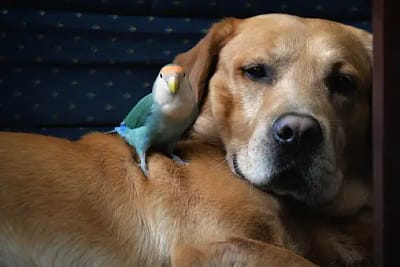
Introducing your bird to dogs can be a delicate process that requires patience and careful supervision. Dogs are natural predators and may view birds as prey, so it is important to take the necessary steps to ensure a positive and safe introduction.
1. Prepare the environment:
Before introducing your bird to a dog, make sure the bird’s cage is secure and out of reach. This will provide a safe space for your bird to retreat to if needed. Additionally, remove any toys or objects that may provoke the dog’s prey drive.
2. Gradual introductions:
Start by allowing your bird and dog to become familiar with each other’s scent. This can be done by placing a blanket or towel with the dog’s scent near the bird’s cage. Gradually increase the exposure by allowing them to see each other through a barrier, such as a baby gate or a mesh screen.
3. Controlled interactions:
Once both the bird and dog seem comfortable with each other’s presence, you can begin supervised interactions. Keep the dog on a leash and have a firm hold on the bird’s perch or cage. Allow them to approach each other slowly and calmly. Reward both pets for calm behavior with treats and praise.
4. Positive associations:
During the interactions, provide positive reinforcement for both the bird and dog. Use treats and praise to reward them for calm and friendly behavior. This will help them associate each other’s presence with positive experiences.
5. Gradual increase in exposure:
As the bird and dog become more comfortable with each other, gradually increase the duration and proximity of their interactions. Always prioritize the safety of both pets and be prepared to separate them if necessary.
6. Ongoing supervision:
Even after successful introductions, it is important to continue supervising interactions between your bird and dog. Never leave them alone together unsupervised, as accidents can still happen.
By following these steps and being patient, you can help foster a positive relationship between your bird and dog. Remember that each pet is unique, and the process may take time. With proper socialization and supervision, your bird and dog can coexist harmoniously in your household.

VI: Introducing Your Bird to Cats
Introducing your bird to other birds can be an exciting and enriching experience for both your pet and yourself. However, it is important to approach this process with caution and take the necessary steps to ensure a smooth and successful introduction. Here are some tips and techniques to help you introduce your bird to other birds in a safe and positive manner.
1. Choose the Right Timing:
It is important to introduce your bird to other birds when they are both in a calm and relaxed state. Avoid introducing them when they are stressed or agitated, as this can lead to negative interactions.
2. Start with Visual Encounters:
Before allowing direct physical contact, it is advisable to start with visual encounters. This can be done by placing the birds in separate cages or enclosures where they can see and observe each other without any physical contact. This allows them to become familiar with each other’s presence and behavior.
3. Gradually Increase Interaction:
Once the birds are comfortable with visual encounters, you can start introducing short periods of supervised physical interaction. This can be done by allowing them to be in the same room or space while closely monitoring their behavior. Gradually increase the duration of these interactions over time.
4. Provide Separate Spaces:
It is important to provide separate spaces for each bird, even after they have been introduced. This allows them to have their own territory and reduces the chances of territorial aggression. Each bird should have their own cage or designated area where they can retreat to if they feel overwhelmed or stressed.
5. Watch for Signs of Aggression:
During the introduction process, it is crucial to closely observe the behavior of both birds for any signs of aggression. These can include aggressive posturing, lunging, biting, or excessive vocalization. If any signs of aggression are observed, it is important to separate the birds and seek professional advice if needed.
6. Seek Professional Guidance:
If you are unsure about how to introduce your bird to other birds or if you encounter any difficulties during the process, it is always a good idea to seek professional guidance. An avian veterinarian or an experienced bird behaviorist can provide valuable advice and assistance in ensuring a successful introduction.
By following these tips and techniques, you can help your bird develop positive relationships with other birds and create a harmonious environment for all your pets to coexist. Remember to be patient and take things at a pace that is comfortable for your bird, as every bird is unique and may require different amounts of time.
VII: Introducing Your Bird to Other Birds
When it comes to introducing your bird to other birds, there are a few important factors to consider. Birds are social creatures by nature, and many enjoy the company of their own kind. However, it is crucial to introduce them properly to ensure a positive and safe interaction.
Firstly, it is essential to choose the right time for the introduction. Birds are territorial, so it is best to introduce them when they are young or have not yet established their territory. This will increase the chances of a successful introduction and minimize the risk of aggression.
Before introducing your bird to another bird, it is important to quarantine the new bird for a period of time. This is to ensure that the new bird is healthy and does not have any contagious diseases that could harm your existing bird. Quarantine periods can vary depending on the species, so it is best to consult with a veterinarian for guidance.
When it is time to introduce the birds, it is recommended to do so in a neutral territory. This can be a separate cage or a neutral room where neither bird has established dominance. This will help to reduce territorial behavior and aggression.
During the initial introduction, it is crucial to closely monitor the birds’ behavior. Signs of aggression, such as biting, lunging, or excessive squawking, should be taken seriously. If any signs of aggression are observed, it is best to separate the birds and try again at a later time.
Gradually increasing the amount of time the birds spend together can help them become more comfortable with each other. Providing plenty of perches, toys, and food dishes can also help to reduce competition and promote positive interactions.
It is important to remember that not all birds will get along, even with proper introductions. Some birds may simply prefer to be the only bird in the household, and forcing them to interact with another bird could cause stress and aggression. It is crucial to respect your bird’s individual preferences and needs.
By following these tips and techniques, you can increase the chances of a successful introduction and foster positive interactions between your bird and other birds in your household. Remember to always prioritize the safety and well-being of your pets and consult with a veterinarian or avian behaviorist for personalized advice.
VIII: Supervising Interactions and Preventing Aggression
When introducing your bird to other pets, it is crucial to supervise their interactions to ensure the safety and well-being of all animals involved. Birds are small and delicate creatures, and even a playful interaction with a larger pet can quickly turn into a dangerous situation. Here are some tips to help you supervise and prevent aggression during these interactions:
1. Start with short and controlled interactions:
Begin by allowing your bird and other pets to have brief supervised encounters. Gradually increase the duration of these interactions as everyone becomes more comfortable and familiar with each other. This will help prevent overwhelming or stressful situations for your bird.
2. Use barriers or cages:
To provide an extra layer of protection, you can use barriers or cages to separate your bird from other pets initially. This allows them to observe and get used to each other’s presence without direct contact. As they become more comfortable, you can gradually remove the barriers and allow supervised face-to-face interactions.
3. Positive reinforcement:
Reward good behavior from both your bird and other pets during their interactions. This can be done through treats, praise, or petting. Positive reinforcement helps create a positive association with each other and encourages friendly interactions.
4. Watch for signs of aggression or stress:
It is essential to closely monitor your bird and other pets for any signs of aggression or stress during their interactions. These signs may include lunging, hissing, growling, raised feathers, or aggressive body language. If you notice any of these signs, separate the animals immediately and try again later.
5. Separate feeding areas:
Birds can be territorial when it comes to their food, so it is essential to provide separate feeding areas for your bird and other pets. This helps prevent any potential conflicts or aggression over food resources.
6. Seek professional help if needed:
If you are having difficulty in socializing your bird to other pets or if aggression issues persist, it is advisable to seek guidance from a professional animal behaviorist or trainer. They can provide personalized advice and techniques to help resolve any issues and ensure a harmonious environment for all pets.
By following these tips and being patient and consistent, you can help foster positive interactions between your bird and other pets, creating a harmonious and happy household for everyone. Remember, each animal is unique, and the process of socialization may take time, so be prepared for gradual progress and adjustments along the way.
IX: Creating a Harmonious Environment for All Pets
Creating a harmonious environment for all pets is essential when socializing your bird with other pets. It is important to establish a peaceful and safe space where all animals can coexist and interact positively. Here are some tips to help you create such an environment:
1. Provide separate spaces:
Each pet should have their own designated area where they can retreat to and feel safe. This is especially important for birds, as they need a quiet and secure place to rest and sleep. Make sure each pet has their own food and water bowls, toys, and bedding in their respective areas.
2. Gradual introductions:
When introducing your bird to other pets, it is crucial to do so gradually and in a controlled manner. Start by allowing them to see each other from a distance, and gradually decrease the distance over time. This will help them become familiar with each other’s presence without feeling threatened.
3. Positive reinforcement:
Reward all pets for calm and friendly behavior towards each other. Use treats, praise, and gentle petting to reinforce positive interactions. This will help them associate each other’s presence with positive experiences.
4. Supervise interactions:
Always supervise interactions between your bird and other pets, especially in the beginning. This will allow you to intervene if any signs of aggression or territorial behavior arise. Keep a close eye on body language, such as raised hackles or fluffed feathers, as these can indicate stress or potential conflict.
5. Separate feeding areas:
Birds and other pets should have separate feeding areas to prevent competition and potential aggression. This will also ensure that each pet receives the appropriate diet and portion sizes.
6. Enrichment activities:
Provide plenty of mental and physical stimulation for all pets. This can include interactive toys, puzzle feeders, and regular playtime. Engaging in activities together can help foster positive relationships and reduce any potential tension.
7. Patience and consistency:
Socializing your bird with other pets takes time and patience. Be consistent with your training and interactions, and don’t rush the process. Each pet will have their own unique personality and comfort level, so it is important to respect their individual needs and boundaries.
By following these tips and techniques, you can create a harmonious environment for all pets in your household. Remember to always prioritize the safety and well-being of each animal, and seek professional advice if needed. With time and effort, your bird and other pets can develop positive relationships and enjoy a happy and well-socialized household.

X: Conclusion: Enjoying a Happy and Well-Socialized Household
In conclusion, socializing your bird with other pets is crucial for creating a happy and well-socialized household. By following the tips and techniques provided in this ultimate guide, you can safely introduce your bird to dogs, cats, or other birds and foster positive interactions between them.
It is important to understand your bird’s behavior and needs before introducing them to other pets. This will help you anticipate any potential issues and ensure a smooth transition. Additionally, preparing your home for the introduction is essential. This includes creating separate spaces for each pet, providing plenty of toys and perches, and ensuring there are no hazards or escape routes.
When introducing your bird to dogs, it is important to do so gradually and under controlled circumstances. Start with short and supervised interactions, gradually increasing the duration as both pets become more comfortable. Similarly, introducing your bird to cats requires patience and supervision. Keep the bird in a secure cage or separate room initially, allowing the cat to observe from a distance. Gradually decrease the separation until they can interact safely.
Introducing your bird to other birds can be a bit more complex. It is crucial to consider the species, size, and temperament of both birds before attempting introductions. Start by placing their cages near each other, allowing them to observe and communicate without direct contact. Gradually introduce supervised face-to-face interactions, monitoring their behavior closely for signs of aggression or stress.
Supervising interactions and preventing aggression is vital to ensure the safety of all pets involved. Be vigilant and intervene if any signs of aggression or territorial behavior arise. Redirect their attention to positive activities and reward good behavior to encourage harmonious interactions.
Creating a harmonious environment for all pets involves providing each pet with their own space, resources, and attention. This will help prevent jealousy and competition among pets. Additionally, maintaining a consistent routine and providing mental and physical stimulation for each pet will contribute to a peaceful coexistence.
By following these guidelines, you can enjoy a happy and well-socialized household where your bird and other pets can coexist peacefully. Remember to be patient, observant, and proactive in addressing any issues that may arise. With time and effort, you can create a harmonious environment where all pets can thrive.